

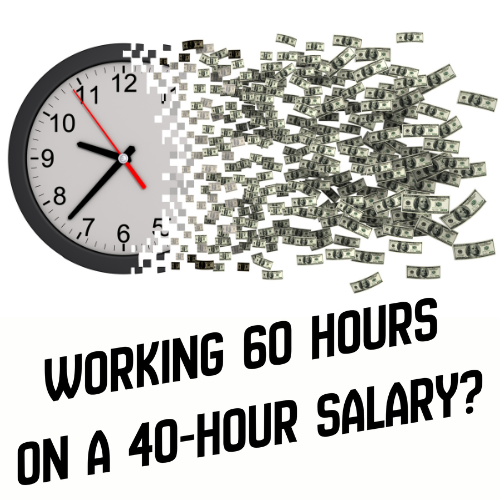
Stop Working a 60-Hour Job on a 40-Hour Salary
You didn’t invest in years of school just to give away 20 hours of free labor every week.
Yet many nurse practitioners are functionally working a 60-hour job on a 40-hour salary.
This is not a time management issue.
It is a structural design issue.
And if it is not addressed clearly, it becomes a nurse practitioner burnout cycle that feels personal — even though it isn’t.
Let’s name what is actually happening.
FAQ: Chart Smart Mastery
Answers to Your Toughest Questions About Primary Care Workload Management
You are working 50 to 60 hours on a 40-hour salary. Your inbox follows you home. Your notes bleed into your evenings. And the advice you keep hearing (“practice self-care,” “set boundaries,” “learn to say no”) does not address the actual structural problem.
You were taught to diagnose and treat. You were never taught the day-to-day operational skills required to complete primary care work inside paid hours. That is not a personal failing. It is a training gap. And it is the reason you are here.
Below are the most frequently asked questions about Chart Smart Mastery and how it helps primary care NPs stop diluting their salary with free labor.
The Secret to Finishing Your Work on Time? It's Your Order Sets.
Your last patient left 45 minutes ago. You are still clicking through labs, imaging orders, and referrals, one by one, rebuilding the same hypertension workup you built three times already today. That repetitive clicking is not clinical care. It is invisible work that no one is paying you for.
There is a way to turn that entire process into a single action. It is called an EHR order set, and it is one of the most underused time protection strategies in primary care.
Job Hunting for PCPs: 8 Warning Signs You Can’t Ignore
Finding the right job as a primary care provider is not primarily about salary. It is about whether the role is structurally designed to be sustainable or structurally designed to extract unpaid labor.
Every NP job has challenges. That is the nature of primary care. But some jobs are built on a model that depends on your willingness to absorb work outside your compensated hours. The interview process is where you see that model, if you know what to look for.

Beyond Billing: Why a Thorough H&P Protects You, Your Patients, and Your Practice
If you have ever opened a chart before a visit and found vague notes, an outdated medication list, and no clear record of which active problems were actually being managed, you already know what poor documentation costs. You had to start from scratch. You had to guess. You spent your limited visit time doing archaeology instead of medicine.
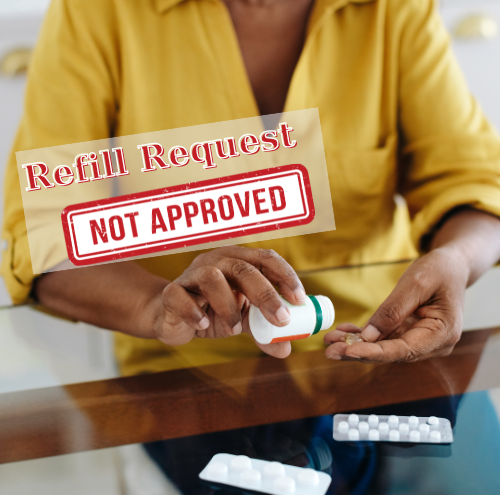
When Refill Requests Need a Second Look
That single refill request just consumed 10 minutes. You have 14 more waiting.
This is the part of medication management that no one tracks and no one pays you for. It is invisible work that no one is compensating you for, and it is one of the highest-volume sources of after-hours labor in primary care.
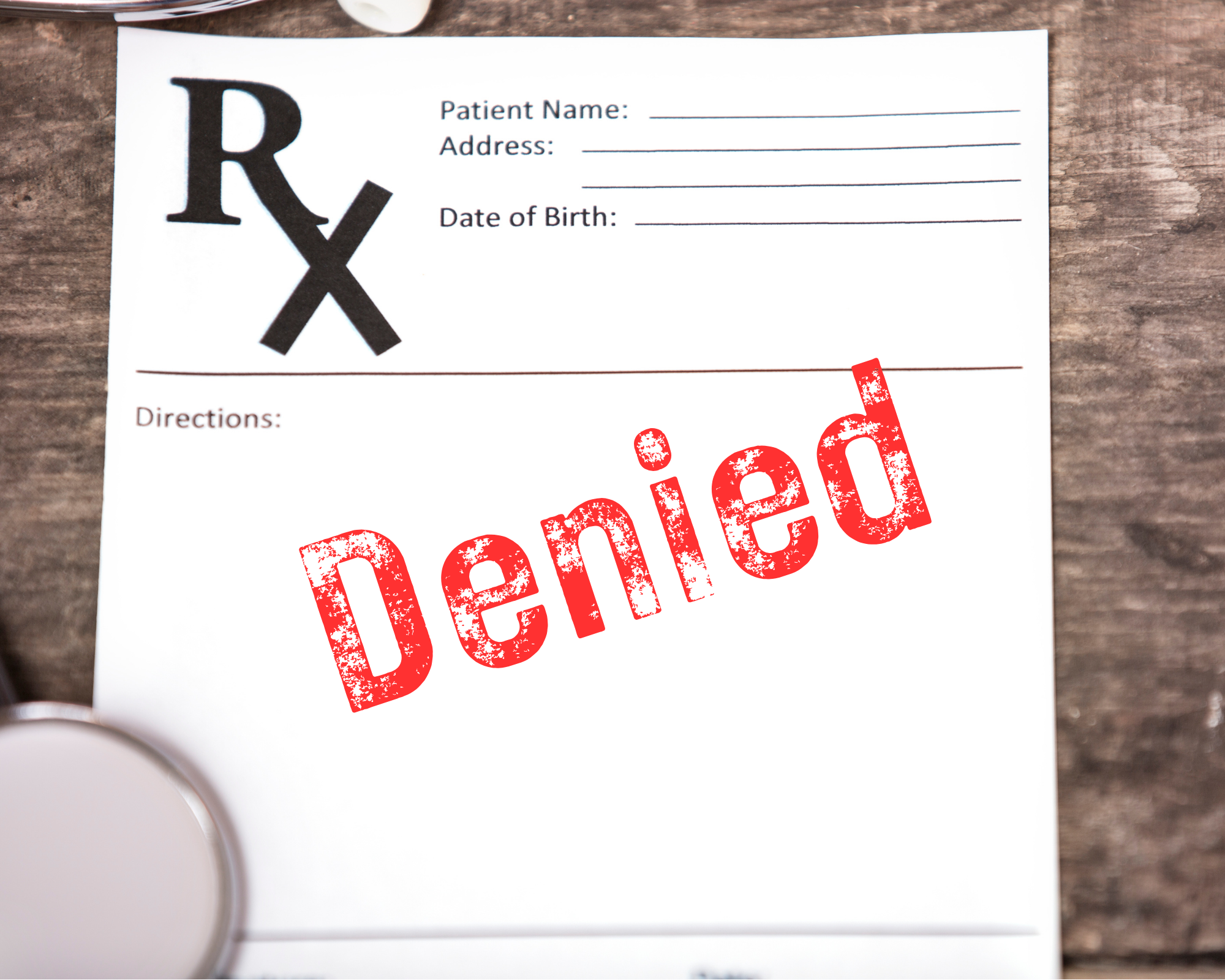
Prior Authorization Documentation That Gets Approved the First Time
You see a patient. You make a clinical decision grounded in guidelines, history, and the person sitting in front of you. You place the order. And then, two days later, the prior authorization comes back denied. Not because your clinical reasoning was wrong. Because the note did not tell the story the reviewer needed to read.
Now you are spending 20 minutes reconstructing the justification you already had in your head during the visit. That is 20 minutes of unpaid after-hours labor, added to a workday that was already bleeding past 5 PM.

The Pre-Charting Advantage
Pre-charting is a core tactical strategy for highly efficient primary care providers. It is a proactive approach to ensuring accuracy and efficiency in every patient encounter, and it keeps you from making up lost time later during your personal hours. By dedicating a few focused minutes to preparation, you can turn a chaotic visit into a structured, goal-oriented one.

I Worked Myself Sick
I never imagined that a meticulously planned vacation could end with me too sick to board the plane. I had curated every detail of this eight-day trip: YouTube videos about the region, travel guides, new clothes, packing for two climates. I got my travel vaccines a month before departure. The plan was simple: work a full day, catch the evening flight, sleep on the plane, and wake up ready to explore.