

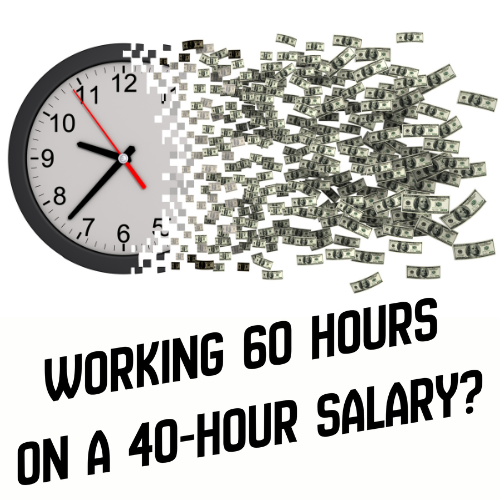
Stop Working a 60-Hour Job on a 40-Hour Salary
You didn’t invest in years of school just to give away 20 hours of free labor every week.
Yet many nurse practitioners are functionally working a 60-hour job on a 40-hour salary.
This is not a time management issue.
It is a structural design issue.
And if it is not addressed clearly, it becomes a nurse practitioner burnout cycle that feels personal — even though it isn’t.
Let’s name what is actually happening.

Job Hunting for PCPs: 8 Warning Signs You Can’t Ignore
Finding the right job as a primary care provider is not primarily about salary. It is about whether the role is structurally designed to be sustainable or structurally designed to extract unpaid labor.
Every NP job has challenges. That is the nature of primary care. But some jobs are built on a model that depends on your willingness to absorb work outside your compensated hours. The interview process is where you see that model, if you know what to look for.

Prior Authorization Documentation That Gets Approved the First Time
You see a patient. You make a clinical decision grounded in guidelines, history, and the person sitting in front of you. You place the order. And then, two days later, the prior authorization comes back denied. Not because your clinical reasoning was wrong. Because the note did not tell the story the reviewer needed to read.
Now you are spending 20 minutes reconstructing the justification you already had in your head during the visit. That is 20 minutes of unpaid after-hours labor, added to a workday that was already bleeding past 5 PM.